Tattoo Aftercare Australia: Complete 2026 Guide gives you the practical way to care for fresh ink under the rigours of an Australian lifestyle with its beach culture, humidity and heat. The fundamentals are to be gentle when cleaning, not let the tattoo get soaked, put on some light moisture and be on the lookout for any indication of infection. They are the basics that do the work.
I am Jemima Ashdown. In my time writing aftercare pieces for clients and dealing with skin, I have come to see that overenthusiasm is the root of most trouble with a tattoo. One is inclined to scrub at it, put on an excess of product, or make for the ocean in fine weather. But while the skin is mending it requires something more sedate.
Start With An Appropriate Plan
Since a tattoo is a form of controlled injury, the routine in the early days is important. Take your artist’s word for it first; the size of the piece, where it is placed and the density of the ink will dictate how it heals, as will the bandage he has put on it.
Then there are the realities of being in Australia. Between the UV, the dust and sand one picks up at the beach, and the like of a busy summer pool, there is plenty to set off a healing tattoo. Make allowances for these things when you book in. For more guidance, see sun protection for healing tattoos.
Have Your Kit Ready
There is no call for a bathroom shelf stocked with specialist wares. Have some clean loose clothes, paper towels, a no‑frills moisturiser and a soap without fragrance to hand. You will only confuse matters by putting five different creams on at once and then not knowing which is responsible for the irritation.
Wash your hands prior to any contact with the tattoo. Put the pets out of the way while the area is open and if the tattoo is of a size to rub against the sheets at night, put on fresh ones.
Be Cautious In The First Few Hours
For the first three or four hours the objective is to keep friction and contamination at bay. You may notice a little plasma, clear fluid or ink seeping under the covering which can be put down to alarm but is not necessarily so.
If your artist has put on a medical film or protective wrap, adhere to his instructions on when to take it off. Do not expect it to act like an ordinary plastic wrap.
Taking Off The Bandage
Before you start, wash your hands. Do not go about it as though you are removing a recalcitrant bandage post camping trip, ease the covering off. Warm water will do to soften the edges of any adhesive film that is holding on.
- Then give your hands a good wash.
- With lukewarm water and a touch of fragrance-free soap, rinse the tattoo.
- Fingertips will suffice to get rid of the residue, do not scrub.
- Dry with a paper towel and let it air for a moment.
- Put on whatever and as much as your artist has put forward.
Unless told otherwise, leave the household plastic wrap in the cupboard; a tattoo wants to be kept from dirt but you do not want to be trapping moisture and sweat on the skin.
The First Week
Keep it straightforward for the first seven days. Once or twice a day is enough to clean, and after you have been sweating hard. Put on a thin ointment if the skin is dry.
You are not basting a roast potato, the skin does not need to be glossy. If it is looking wet with product, you have done too much.
Cleanse Properly
Very hot water in the shower will bring on redness and discomfort, particularly on a large tattoo. Let the water run over it and use your fingertips.
None of the loofahs, exfoliating gloves or facial acids should come near the place. Nor retinoids or a body wash with any scent. Pat the area to dry and put on something breathable.
Moisturise As Needed
Go for a plain, unfragranced moisturiser that is easy to put on. In the beginning a thin layer of ointment is fine if your artist says so, later on a daily moisturiser is preferable once the weeping has stopped.
Should you get a rash, burning or swelling, put the product down. More cream is not going to hasten the process. It will just clog things up and make you want to pick at the scabs.
Days 10 to 14: Some Peeling is to be Expected
You will see a good number of tattoos flake, itch or peel in the 10 to 14 day period; healing is an individual matter. The colour may appear patchy or dull at this point but that is not to be taken as ink loss.
For all the gentle washing and light moisturising you are doing, resist the urge to put your fingernails to it and pull at any loose skin. Let the flakes go on their own. A tattoo can seem a bit untidy before it comes to terms with itself, akin to a lawn one has put through a rough time in the backyard.
Itching and Scabs
A little itching is part of the process. To get some relief tap at the area, put on a cool compress for a while or keep the skin lightly moisturised (never put ice straight on the tattoo).
You may find small scabs have formed from dense colour work or where clothing has chafed. It is best to leave them well alone. Picking at them runs the risk of scarring and removing pigment and will only put off the healing.
Healing Timeline
Consider the tattoo healing timeline more of a guide than something to set by. Recovery is subject to a host of things: how much sun or water it has been exposed to, the density of the ink, its size and location, your aftercare and the state of your skin.
| Healing Stage | What You May Notice | What To Do |
|---|---|---|
| First 3–4 hours | Redness, plasma, warmth and surplus ink | Do not touch and abide by bandage instructions |
| Days 1–7 | Some tenderness and dryness with a bit of flaking | Moisturise and clean in a gentle fashion |
| Days 10–14 | The surface will look dull, there will be peeling and itching | Exfoliating, scratching and peeling should be avoided |
| Weeks 2–4+ | Deeper skin is still at work repairing even as the top layer settles | Steer clear of harsh products and use sun protection |
In two weeks a tattoo might seem done but not be fully healed below the surface. Those on hands, feet, knees and elbows or ones with a lot of saturated colour and large dimensions will need more time. Should the pain mount instead of subside, have a doctor look at it.
Deep Healing
Once the tattoo has put on a better appearance people can be remiss in weeks 2–4 and beyond. The deeper layers are still sensitive. Be gentle and do not make a sudden dash back to abrasive exercise, soaking or hard sun.
And while you should moisturise if the skin is dry, a cream is no substitute for waterproofing; it does not mean you are good to head to the spa or for an ocean swim.
On Swimming
Hold off on swimming until the skin has closed up completely with no weeping or scabs. That goes for rivers, baths, spas and the like. An open tattoo will be irritated by the chlorine, salt, bacteria and the like.
A shower is not the same as a soak. Accidentally get it splashed? Rinse with clean water and pat dry. Do not put a waterproof dressing over it for the day unless a professional has told you to.
What to Wear and Where to Work
You will find desk work less of an issue than being out in the heat, grease or dust. If you are working a building site or in the Pilbara and Top End wet season, put some questions to your artist on how to shield the area without having to trap sweat.
Put off anything that involves a lot of friction or perspiration. There is no call for heroic suffering when sensible timing and a change of clothes will do. Tight sportswear and backpack straps are trouble waiting to happen.
Sunscreen
Broken or peeling skin should be kept in the shade and covered with something loose rather than slathered in sunscreen; direct sun is bad for healing skin and pigments.
Apply a high-SPF broad-spectrum product once the skin has properly healed and reapply as you would after a swim or sweating. In Australia do not be deceived by a grey sky, there is plenty of ultraviolet exposure to be had on a cloudy day.
Weather in Australia
Aftercare can be made awkward by a long drive on the Stuart Highway or an outdoor festival. Make sure the tattoo is under a clean piece of fabric and do not let sweat or sunscreen residue linger for hours.
If there is a cyclone warning or extreme heat in the north, stay indoors where you can. In the bushfire zones the smoke and ash and what have you can complicate things. Your tattoo can wait for the weather to make up its mind.
Infection
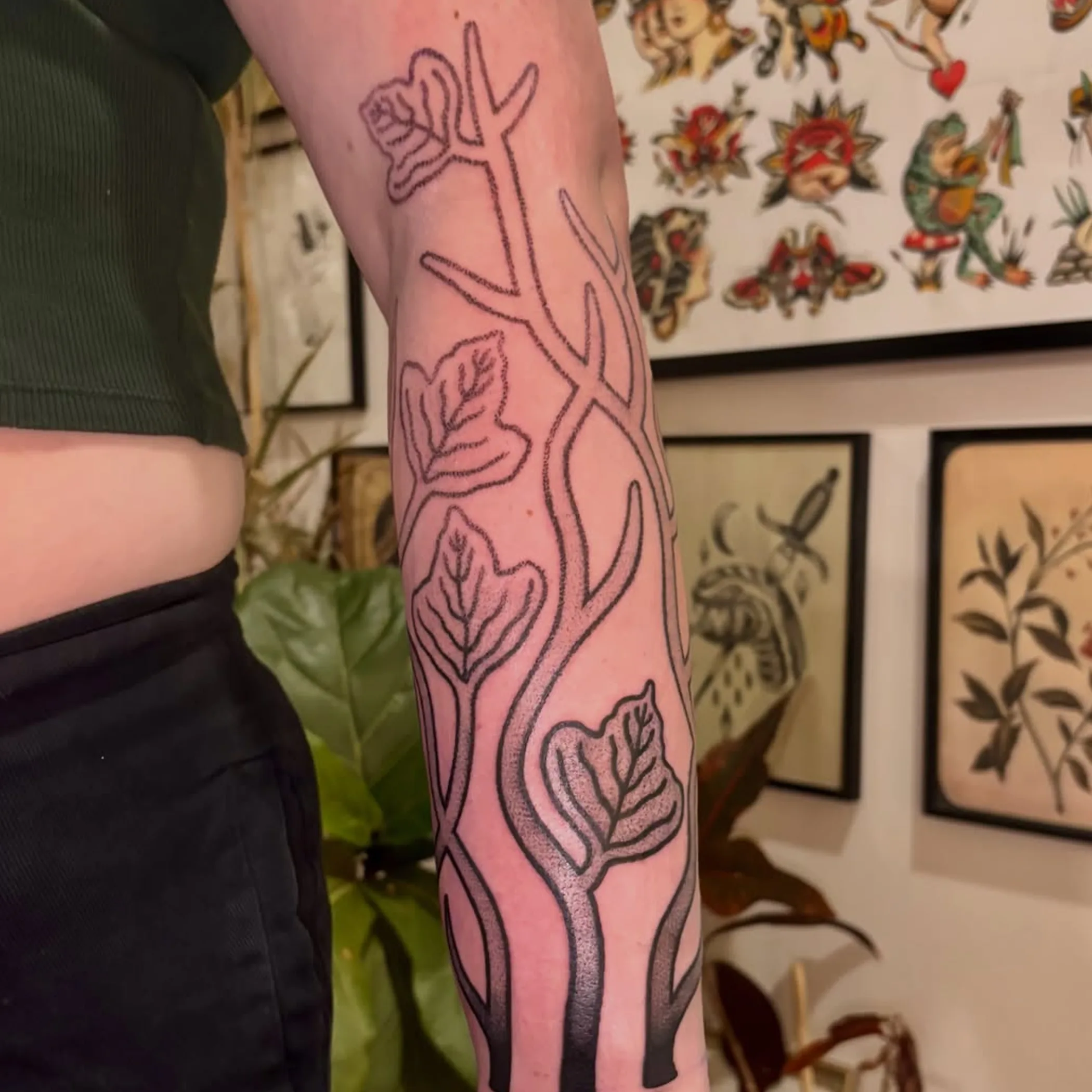
There is usually some redness and warmth to be had in the immediate aftermath which will in time abate. When the symptoms do not settle and start to spread and intensify, then you are looking at signs of infection.
Should you see any of the following, put in a call to your GP without delay: redness that is spreading, pain or swelling on the increase, pus, an unpleasant smell, red streaks, a fever or just a sense of being unwell. For anything more severe, such as trouble breathing or swelling that is getting worse in a hurry, do not wait and make for urgent medical care.
It is no substitute for an in person assessment by a GP who will determine if treatment is called for; do not be tempted to make a diagnosis from a photograph. For general health guidance there is the Australian health information service at Healthdirect.
What Most People Get Wrong
One can be forgiven for thinking an infection has to be very painful, but that is a frequent error. The same goes for overwashing, slathering on ointment, picking at flakes, swimming before one should or putting unclean fabric over the tattoo. Pay attention to how things are changing with time: improving is a good sign, worsening symptoms warrant some notice.
A Do-And-Don’t Checklist
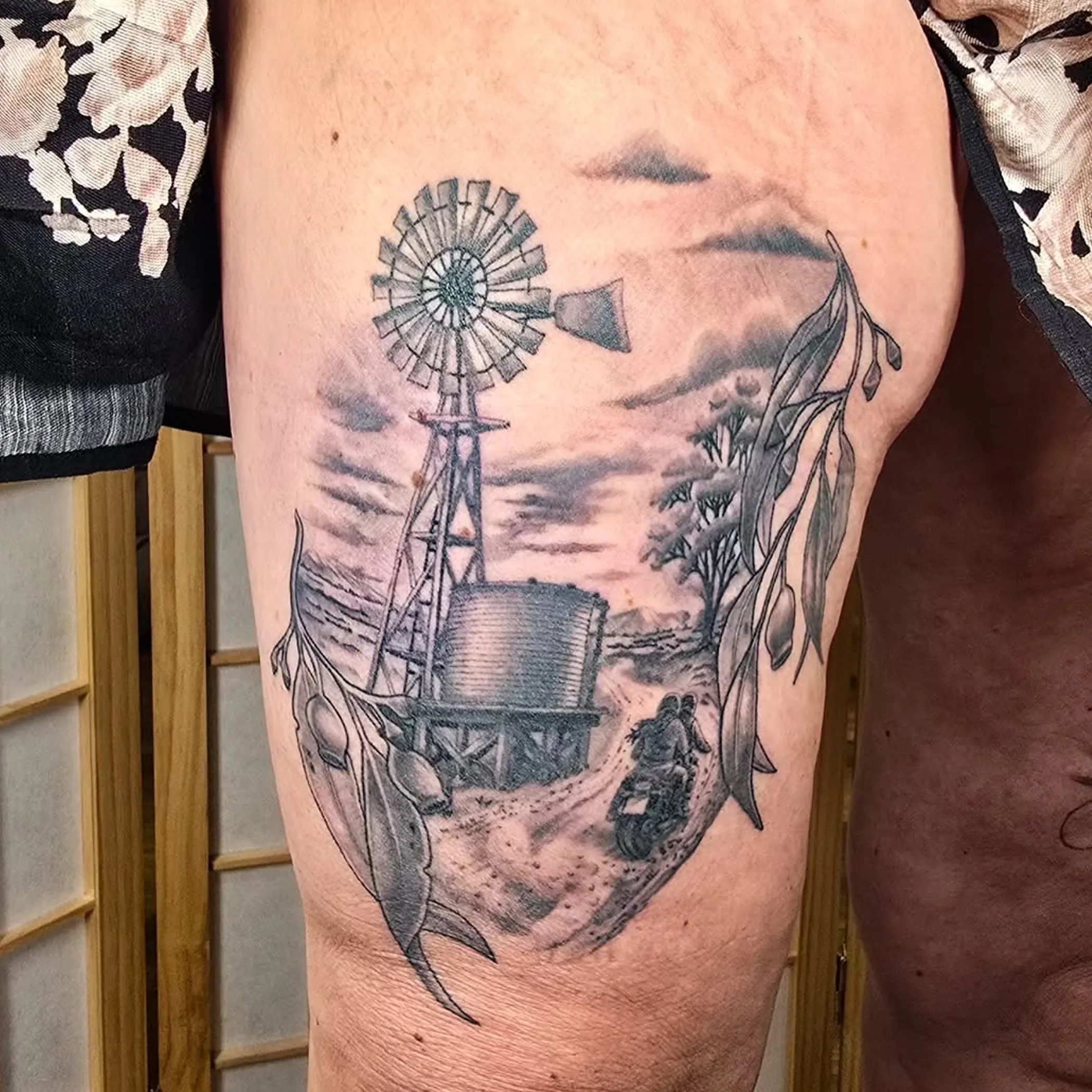
Make it easy to repeat and consistent, a routine that is not overcomplicated. When social media and the word of a clinician or your artist are at odds, go with the professional opinion that is right for your skin and tattoo.
- Do: wash hands, use lukewarm water, be gentle in cleaning and patting dry, and put on something loose.
- Do: put on a thin layer of a good moisturiser and shield healed skin from ultraviolet rays.
- Don’t: have at the skin with sunscreen or scratch, peel and exfoliate broken skin. No soaking or swimming either.
- Don’t: employ dirty towels, plastic wrap from the house, harsh antiseptics or anything with fragrance unless told to by a professional.
- Do: get medical advice where there is pus, a foul odour, red streaks, fever or the pain is getting to you.
Common Tattoo Questions Answered
You will hear these questions a lot given the spurious confidence of some of the advice on the internet. In truth the safest course of action is dictated by the healing stage and what your artist has put in place.
The Best Aftercare Instructions In Australia
Hands first, then attend to the bandage as your artist says. A gentle clean with lukewarm water and soap free of fragrance is in order, followed by a light application of moisturiser after you have patted it dry. Leave off the sun, swimming and any picking until the skin is done healing. A GP should be contacted if you spot signs of infection or a deterioration in symptoms.
The 1/3 Rule
Not a standard in medical circles for tattoo care. Some may informally apply the term to mean using a third of what they normally would or covering about a third of the area. It is better to adhere to what the artist and product say than to some hard and fast rule from the web.
Is A Heavy Ointment Indicated For Fresh Ink?
Not always. You run the risk of softening scabs and irritating the skin by trapping moisture with a thick layer. Stick to a thin one if advised and once the surface has closed and the tattoo is dry, a light daily moisturiser will suffice.
Stopped Hurting, Can I Swim?
No. That does not mean the skin is fully healed. Put off the pool, ocean, spa or bath until there is no weeping, open skin, scabbing or peeling.
Will Tattoos Be Out Of Fashion By 2026?
There is nothing to suggest that. Preferences and styles are fluid but the fact remains a new tattoo requires aftercare irrespective of the trend. Pick your piece and where to put it for your own reasons.
A Simple Routine For Healing
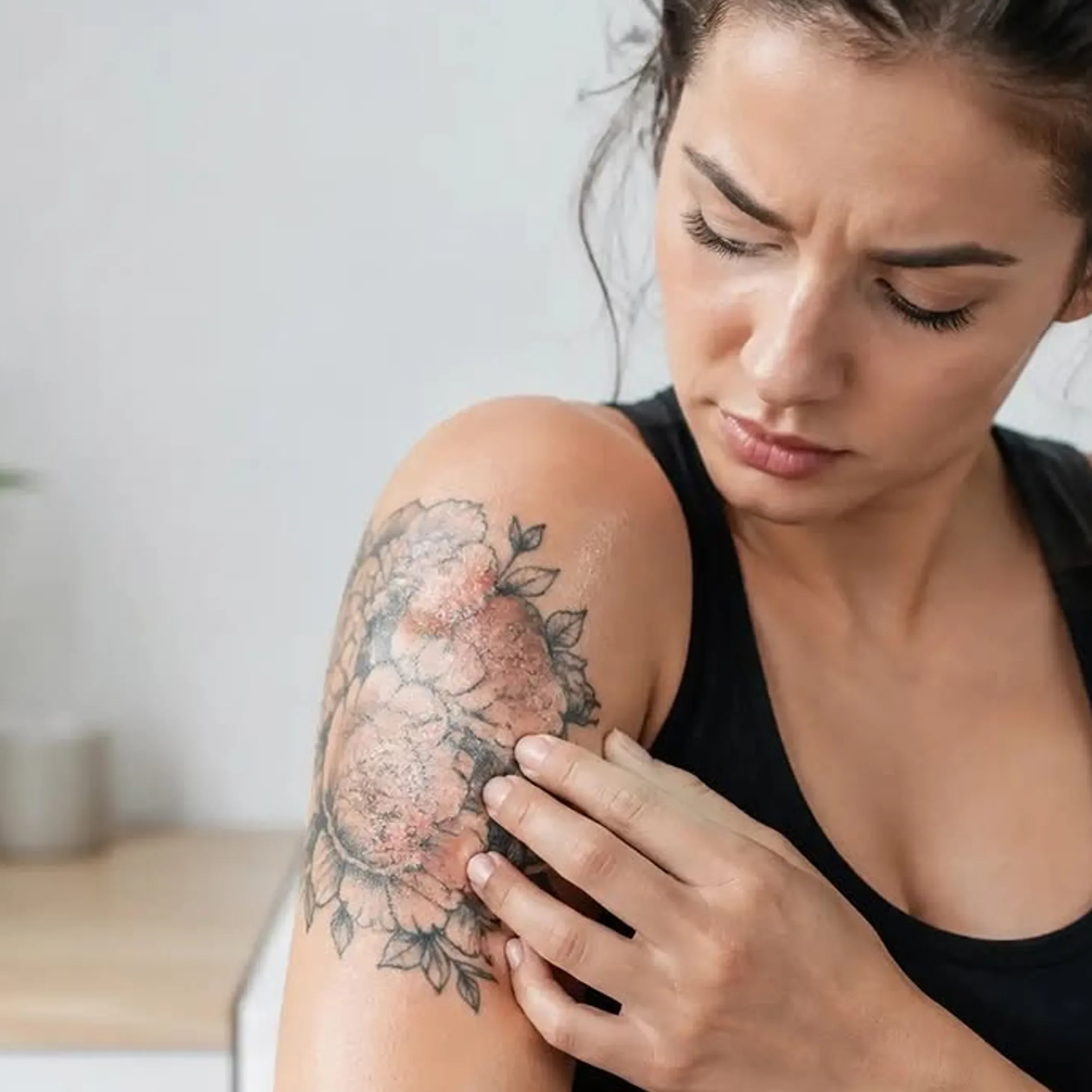
Follow an aftercare guide you can be consistent with. Be gentle with the cleaning and moisturising, stay out of the sun and don’t be unduly concerned by every flake.
Let the tattoo settle before passing judgement on its colour or texture. With sensible care and the occasional trip to a doctor when something does not look right, healing need not be a drama nor require a midnight trawl online to see if what you have is normal.
