You cannot just wing it in a place like Kakadu National Park and put your faith in luck, which is why these safety tips are important. Heed the Parks Australia line of thinking, make sure you have checked for any access or alerts prior to leaving, and restrict your swimming to open, designated spots. Be croc-wise at all waterways, take on more water than seems necessary and do not be driving around after dusk when the wildlife is out and about.
Jemima Ashdown here. If you’re considering when to visit, it’s worth noting the optimal time to explore Kakadu. Should you be making plans for the Top End, my advice is to have respect for Kakadu, not fear of it. It is a fine trip, one of the best in Australia, but it is not the postcard side of things that tends to catch people unawares. More often it is the heat, the distance from civilisation, road conditions that are apt to change, bad timing and the misplaced confidence of a traveller who sees a placid billabong and deems it harmless. One would be wrong to do so.
Do Your Homework
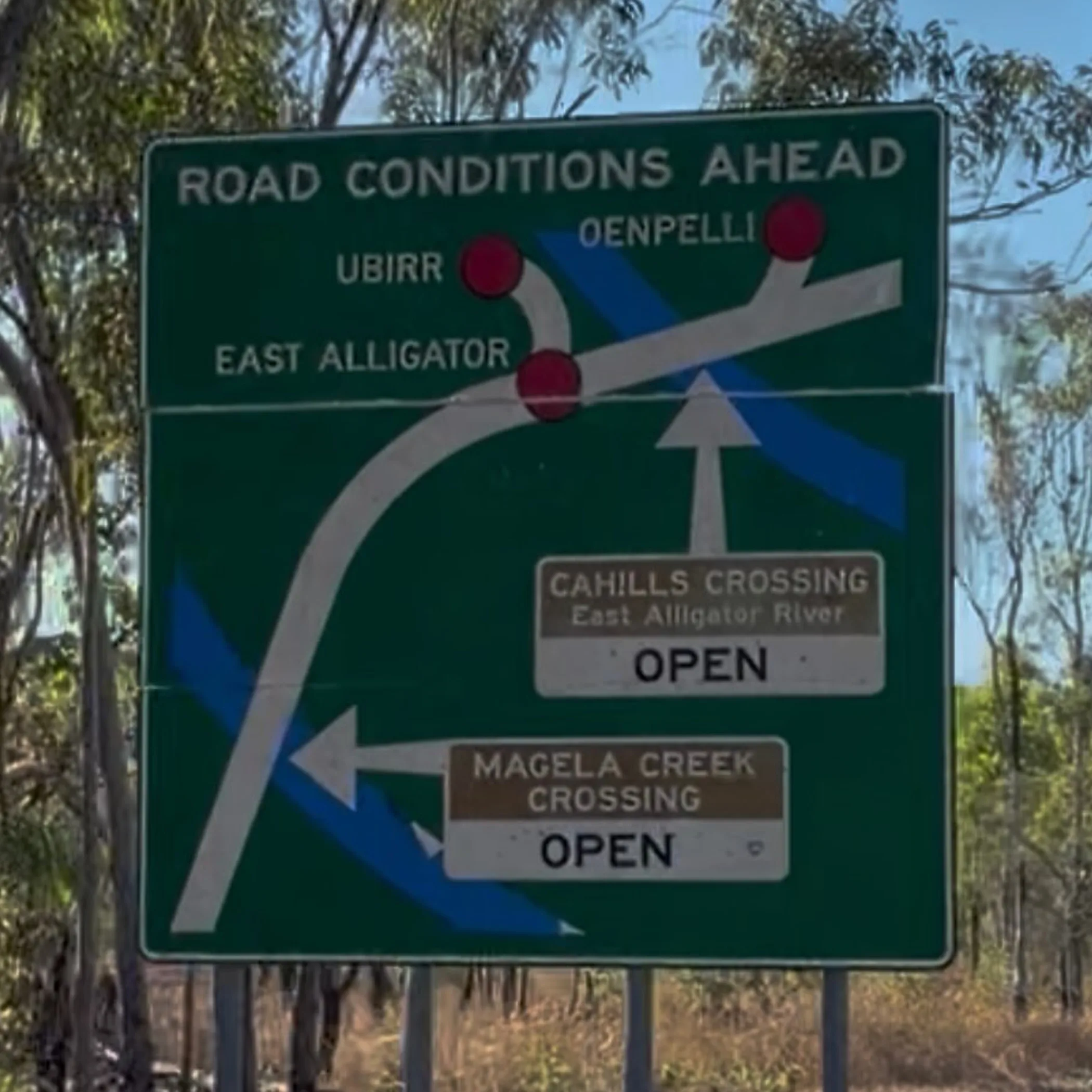
A little bit of preparation before you load up the boot is something Kakadu will reward you for. You can be rough as guts with an attitude of “she’ll be right” in some parks, not this one. A good way to begin is to look up current conditions on the Parks Australia website for Kakadu access and road information; do so before you set off and while you are there. In the wet and shoulder seasons 4WD tracks and river crossings can turn on you in a hurry.
The Reality of Distances
In Kakadu what you see on a map and the reality are two different things. Drives will run longer than they appear, you will want to stop for the odd photo or toilet break to get some water and collect yourself after being in a hot car, and the roads may be corrugated. A detour meant to be short can eat up the day. If time is short, pick a section and give it the attention it deserves instead of pinballing about. The sealed-road sights near Jabiru are less of a test for those new to the area. Leave the remote 4WD points to those with the time, knowledge and vehicle to handle them.
Rules for a Reason
Rangers are fond of repeating certain rules because there are still those who will not abide by them. They are not being overcautious; the rules are a response to the kind of harsh conditions and wildlife that are indifferent to your holiday, and to past incidents.
- Any temporary closure, barrier or direction from a ranger is to be obeyed.
- Do not think of a waterway as a place to swim unless it is so managed and signed.
- Have plenty of water to drink, sun protection, a first aid kit and a phone or nav device with charge to spare.
- Make known your route to someone when venturing down a 4WD track or bushwalking trail.
- Put food away and do not approach the water at dawn or night to feed or be near the wildlife.
When To Go
From the insects to the crowding and how you feel come 10.30 am, the season dictates much of what happens in the park. Most will find the dry or cooler shoulder periods to be the time to go, when the heat is more manageable and you can rely on access, though you should verify conditions close to your departure date. In the wet season flooding can put a stop to some sites and roads. And once mid-morning has passed in the heat, going bushwalking is hardly character building.
Underestimating Crocodiles

For the visitor from the south’s beaches or inland holes where the danger is of another order, the issue of crocodile safety in Kakadu is easily underestimated. Yet it is the one thing most people do not give enough thought to.
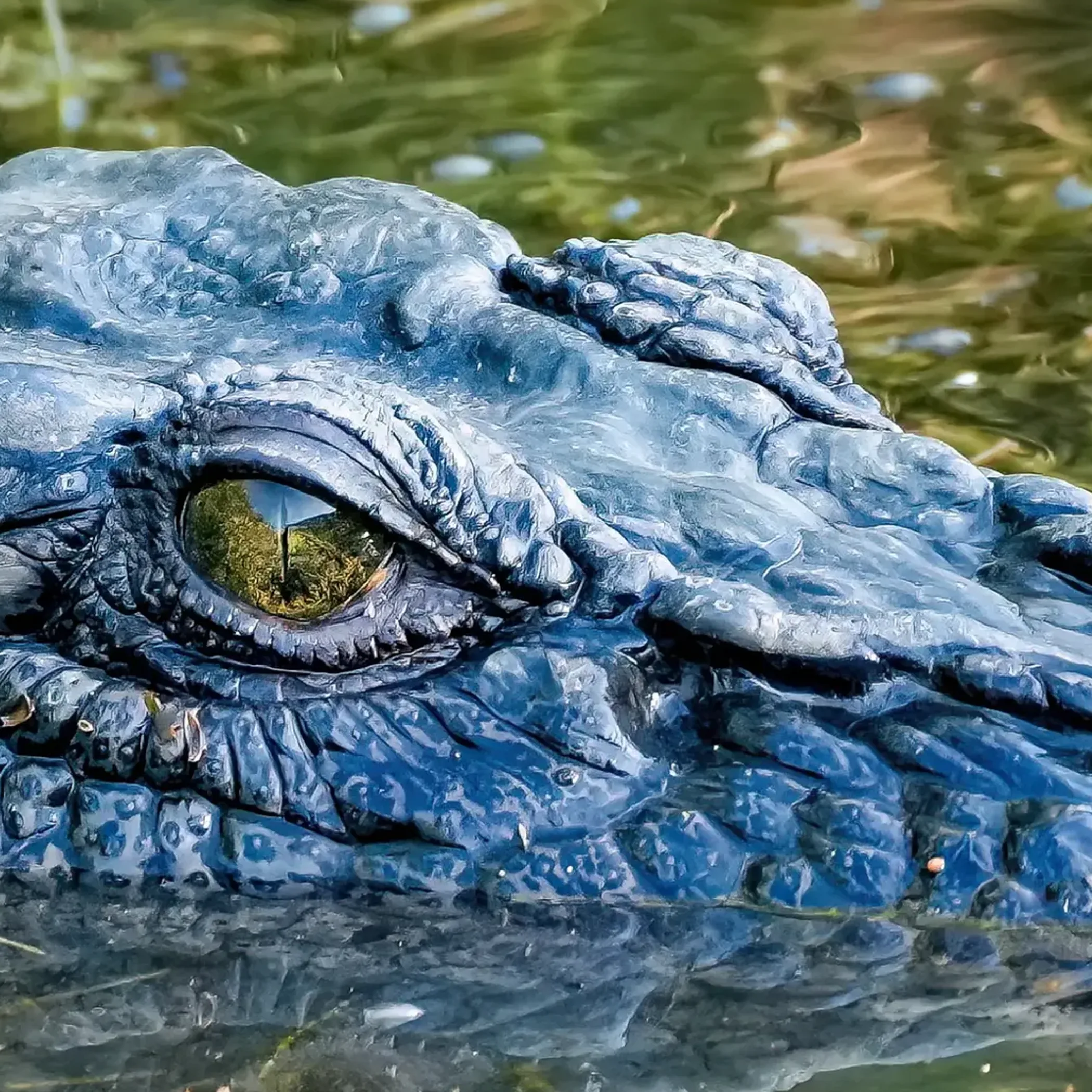
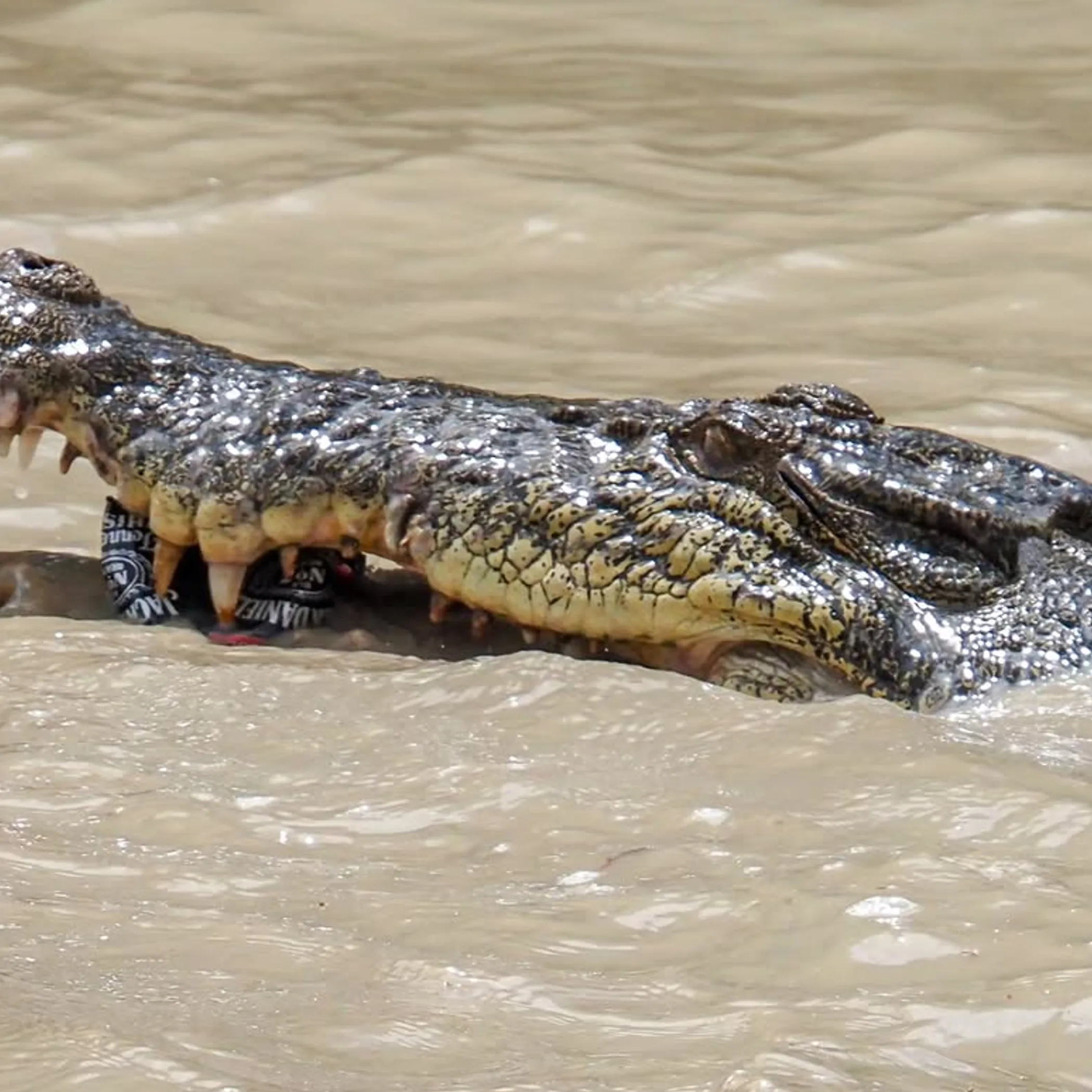
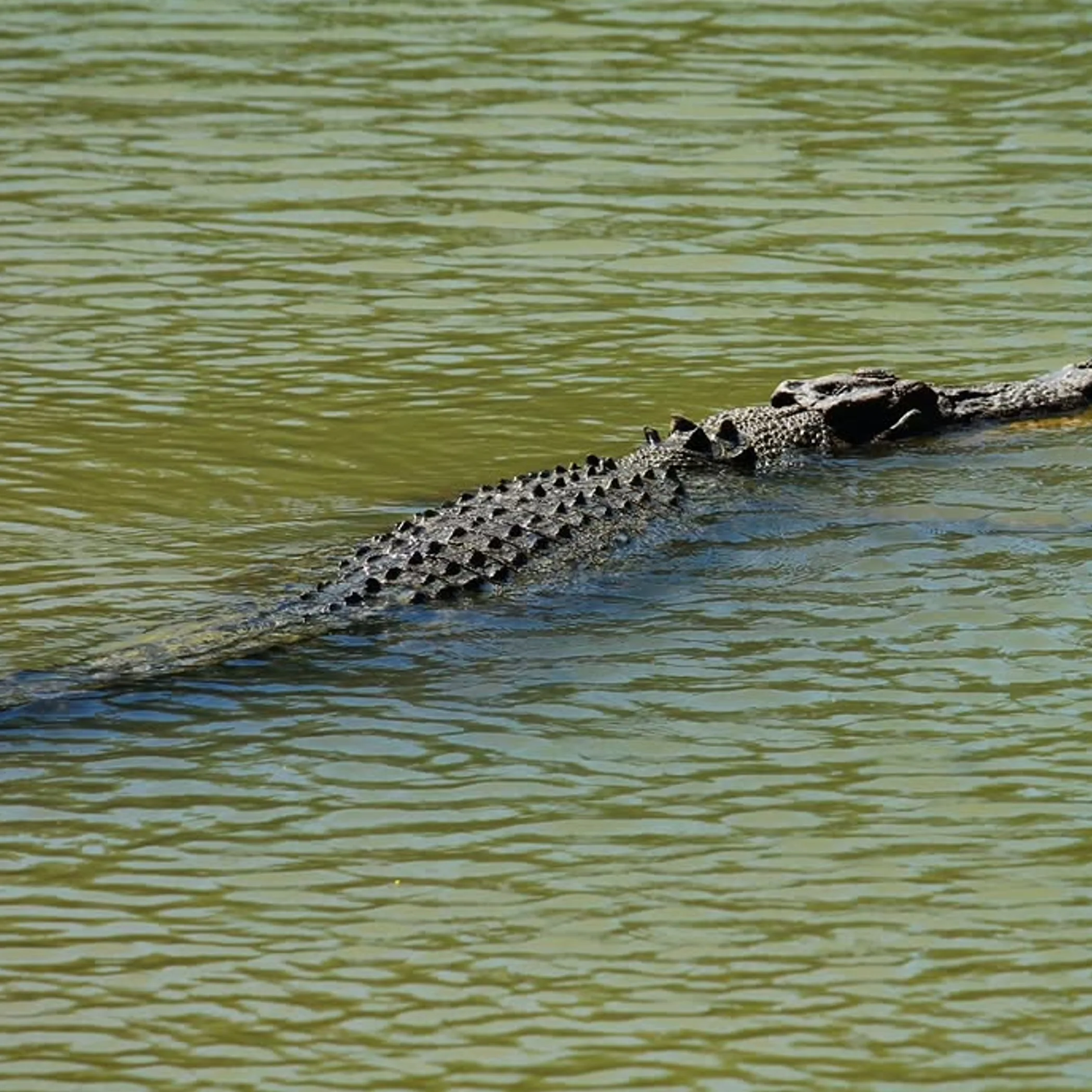
While both saltwater and freshwater varieties are found in the park, it is the former that poses the greater risk to us. Water can be inviting, even shallow and still, and yet be no less dangerous. Then in the wet season crocs have been known to make their way between waterways, hence the value of heeding local alerts.
Respect the Edge of the Water
Unless an area is put aside and managed for it, do not stand or linger on floodplains, rivers or billabongs to fish, put in a boat or wash up. Rangers make it their life’s work to caution against the sort of thing that happens when one puts in an appearance on a low ledge over the water for “just a photo”, so stay clear of the bank and do not be tempted.
You will want to give the high-water mark some respect as well. Make your camp and put in some rest well above it, in the vicinity of rivers or billabongs for instance. In croc country the edge is no friend of yours.
Cahills Crossing Is Not A Spectator Sport
The crossing has a name, and if you are not careful for all the wrong ones. It lures people with the prospect of fishing, a croc or two and the drama of vehicles making their way across the causeway. Then they find out the strong current, tides, traffic, crocodiles and slippery ground make for a bad mix.
Someone may put to me the question of how many have been made off with by crocodiles at Cahills Crossing. I will not make up a figure since the source data does not allow me to confirm an exact running total. What can be confirmed is that it is a high-risk place and calls for the utmost care. Heed the signs, do not put yourself in an unsafe position for vantage and keep away.
Be Selective With Water Activities
To those who wonder if they can take a swim in Kakadu the truth is only where there are open and managed areas for the purpose. Some travellers will see a nice plunge pool and think they have licence to use it. They have not.
What is safe in Kakadu is a matter of the season and what rangers say. Flooding, poor water quality or crocs can mean an area that was acceptable earlier in the year is now closed. Local advice and billabong safety are one and the same.
Swimming Where You Can
Maguk is much frequented when it is open, but the walk in can be made difficult or slick by the weather. And even at a swimming spot you should not think every pool is fit for a weak swimmer; the rocks are apt to be slick and the return walk hotter than you would like. See that children are under an eye and check your footing. Do not go and swim in some unmarked place because a fellow traveller says he did so yesterday. Relying on second-hand information is a Top End safety tip that does not stand the test of time.
Walks And The Heat
There is an element of humility to bushwalking in Kakadu. The Top End heat will run you down quicker than you might think, particularly if you are from overseas or a more temperate part of Australia and unaccustomed to the humidity and sun. I have seen visitors set out in good order and come back short of water and with a glassy look, chagrined with themselves. On paper the trails seem simple enough, but it is the heat and hydration that try you, not the ground.
Make A Day Of It
Get an early start, not the kind where you put it off till after breakfast. Put in the hard walking before the day gets too hot. Sturdy shoes with some grip are called for, as a tired ankle can be caught by a rock shelf or the approach to a creek. By way of rule, take more water than you fancy you will need; to skimp on it is an old mistake. For anything beyond a short stroll from the car park put on a wide-brim hat and light long sleeves, pack electrolytes and some sun protection.
A Sensible Approach To Wildlife
Do not be in a panic at every rustle, but do not act as though you are in a petting zoo with better views. Give the animals room. Whether it is buffalo, feral stock, birds or reptiles, the best way to deal with them is to hold your distance and not close in for a picture.
Snakes: No Need For Drama
Put your hands and feet with some thought about them, in and around camp or any long grass and fallen timber. Closed shoes are de rigueur and a torch after dark. Should you come across a snake, let it go its way and back off. Leave the prodding and nose-to-nose photography alone, and for heaven’s sake do not try your hand at wrangling after a couple of tinnies. A bite means you immobilise the limb and get medical attention in a hurry.
Drive For Conditions
You will not find much glamour in the business of driving safety at Kakadu when you are planning a trip, yet it is something that bears on almost all. The sealed roads may be your preference but the distances to be covered are considerable and there are not as many fuel stops as one is used to in the city; then there is the matter of animals on the road which has a way of making a fine day a poor one.
There is no shortage of what 2WD users can put in their path under the right conditions. For some 4WD tracks and sites though, you need higher clearance and a measure of experience, and the good sense to head back if things do not look right. There is no failure in that.
Driving Logistics in Reality
The Stuart Highway and Arnhem Highway from Darwin are how most make their way into Kakadu. In fair weather the major sealed roads present no difficulty, but with side trips, time for fuel and food and the odd photo or toilet break, a day’s itinerary can get stretched. You will have little trouble parking in the principal visitor areas as a rule, although the better known spots have a habit of filling up ahead of schedule in peak times.
Make an effort not to drive at night. Fatigue is bad enough without the added hazard of buffalo or kangaroos. In wet season a road closure will alter your access altogether, so consult the Kakadu Access Report for the latest word instead of a screenshot you took two days prior.
| Area / Activity | Vehicle of choice | Principal risk | Who it suits |
| Sealed-road sights in the vicinity of visitor hubs | 2WD (conditions permitting) | Wildlife, heat and long days | Those making a first visit or a day of it |
| Remote 4WD | 4WD only and when open | Isolation, recovery and damage to the road | Drivers with remote experience |
| Maguk (when open) | Depends on current access | Slippery walk in, heat and road | Walkers who are confident and have the time |
| Cahills Crossing | Route and conditions will dictate | Tides, crocs, traffic, slick surfaces | Any viewer heeding warnings |
A sensible approach to camping
It is largely a question of where you site yourself, minding the heat and food, and refraining from daftness after dark. Bush camping has its simple appeal until you are too near the water, the mozzies have made short work of you and the dunny is some distance off. An official campground or other permitted area is more predictable and safer than putting down where you should not.
Better habits at camp
Keep the sleeping quarters in order and put away any scraps. Wildlife is not so endearing when it is rooting through what you have left. A campfire, if the rules allow, is to be small and put out completely. Check local regulations as fire restrictions are subject to change.
If you can, have camp set up before dark. One can size up the ground and gear and spot any hazards without having to wander about at night. A little forethought of that sort lends the camp a certain calm.
Pack accordingly
Kakadu National Park is not the place for fashion, it is a matter of being safe and comfortable. The kit you want is often unexciting but it is the unexciting kind that comes to your rescue.
- Water by the litre and a reserve in the car.
- A hat with a good brim, sunglasses, sunscreen and clothing to keep the sun at bay.
- Boots or walking shoes with some grip and a spare pair of socks.
- For the first-aid box: blister treatment, bandages, insect bite relief and any personal medicines.
- A torch, paper map or offline version of one, phone and charger.
- Electrolytes, snacks, repellent and a bag for your rubbish. When you are on a remote drive you will want to have an adequate fuel margin, some basic recovery know-how and a spare tyre in sound order.
As for the rough outlay of costs, that is dependent on your style of travel and the season. But in these parts one should not be making light of what fuel, food and camping will set you back. You can put a dent in the expense by taking supplies from Darwin but it is necessary to pack with some sense and see to it that anything perishable is kept from the heat.
Make it a habit to check Access And Alerts
There is a Top End safety tip of sorts that is as straightforward as they come: go over the conditions again. Flooding or storm damage, a track in disrepair, infrastructure work, managed burns or some other incident can put a different complexion on things. The ranger from Parks Australia is who you should be heeding, not the fellow at the servo who may have puttered down the track in a different vehicle last season. With rangers you get the update that counts.
Then there is the matter of protecting the place.
Kakadu National Park is best left undisturbed. Abide by site restrictions, do not make an issue of the wildlife, take your rubbish and stick to the marked tracks; show due respect for areas of cultural significance. In a way you cannot separate being safe in the park from its protection. Straying off-track or disregarding a closure is likely to compromise both.
What puts Kakadu under threat? For the visitor it is a question of adhering to the park management settings rather than regarding rules as something optional. The threats are plain enough: invasive species, the vagaries of fire and weather, and the impact of visitors.
A word to the wise for a safer day
It is all about restraint, timing and respect in Kakadu. Time your days to the road and the heat, be circumspect where water and wildlife are concerned and with any over-ambitious plans. That is what separates a fine trip from a poor one.
My advice would be to let the park dictate the pace and not attempt to make short work of it. I am Jemima Ashdown and I would say slow down. Have a look at the Kakadu Access Report, put your trust in the rangers and leave some leeway in your itinerary for common sense and the distance and weather.
Frequently Asked Questions
Is swimming allowed in Kakadu National Park?
In designated areas that are open and deemed safe, yes. Do not be wading in unmarked billabongs or rivers. Make sure you have had the latest from the rangers first.
How does one protect Kakadu?
By low-impact behaviour which is good for the environment and for your own safety. Observe closures, heed the rangers, keep to marked tracks and do not trouble the wildlife or cultural sites.
Any figures on how many have been taken by crocodiles at Cahills Crossing?
I will not hazard a guess since I have no way of confirming a total from my current sources. What you need to factor into your plans is that it is a high-risk spot with strong water and slippery ground to contend with, as well as the crocs.
What is the principal risk for those visiting for the first time?
Poor judgement around water and an underestimation of the going, along with dehydration and the heat. They are more preoccupied with the prospect of a run-in with wildlife than the rudiments of timing and road fatigue.
Would a beginner be alright in Kakadu?
Provided the plan is conservative and one steers clear of 4WD routes in the back of beyond, then yes. Use the official advice and stick to the accessible bits. Not so much for the casual type who has no time for crocodile warnings or road closures.
